Lastik
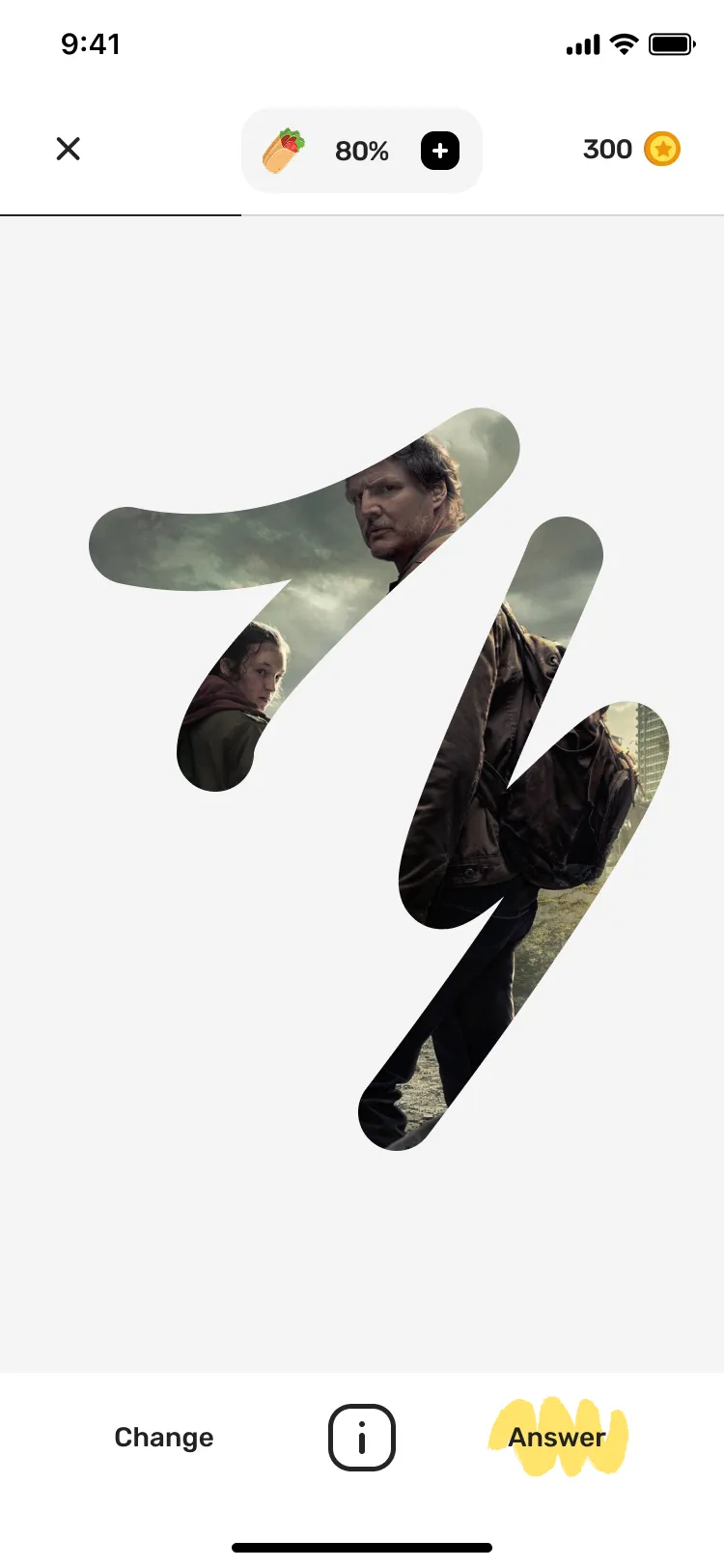
Lastik is a mobile game where players erase part of a hidden picture and guess what it shows. It combines a simple puzzle mechanic with multiple-choice questions. I came up with the idea, worked with a developer to launch the first version in 2023, and rebuilt the app myself in 2025 using AI-assisted development.
- Years
- First launch in 2023 · Rebuilt in 2025
- Role
- Product Designer & Creator
- Scope
- Concept, UX/UI, Prototyping, Content direction, Development, Testing, Analytics, Monetization
Challenge
Before investing in a full game, I wanted to find out whether the erase-to-guess mechanic was fun.
The next challenge was balancing how much players could reveal, how difficult it was to recognise the picture, and what rewards they earned. Revealing too much made the answer obvious, while the eraser limits needed to leave players enough information to make a guess.
My role
I owned the concept, product design, and coordination of the first version. I created the prototypes and UI, wrote development tasks, reviewed the implementation, and organised testing.
A graphic designer created the category covers and eraser illustrations. I contributed ideas and helped choose the visual direction. I also prepared content and store assets, and set up analytics and monetization.
For the 2025 rebuild, I handled development myself with AI assistance.
Approach
I started with a developer and a small working version: one screen, a few pictures, and the erasing mechanic. I tested it with 15–20 people I knew who played casual mobile games. Their feedback helped me decide to continue.
I then created a full clickable prototype and checked it with several players. Together with the developer, I split the game into parts, decided what to build first, and prepared tasks. While the developer worked on the core functionality, I designed the screens and UI kit.
Before release, we ran closed testing with around 20 people. I asked them to record their screens so I could see how they played. These recordings helped me adjust the eraser size and the amount of the picture players could reveal.
Key decisions
Balancing clues and rewards
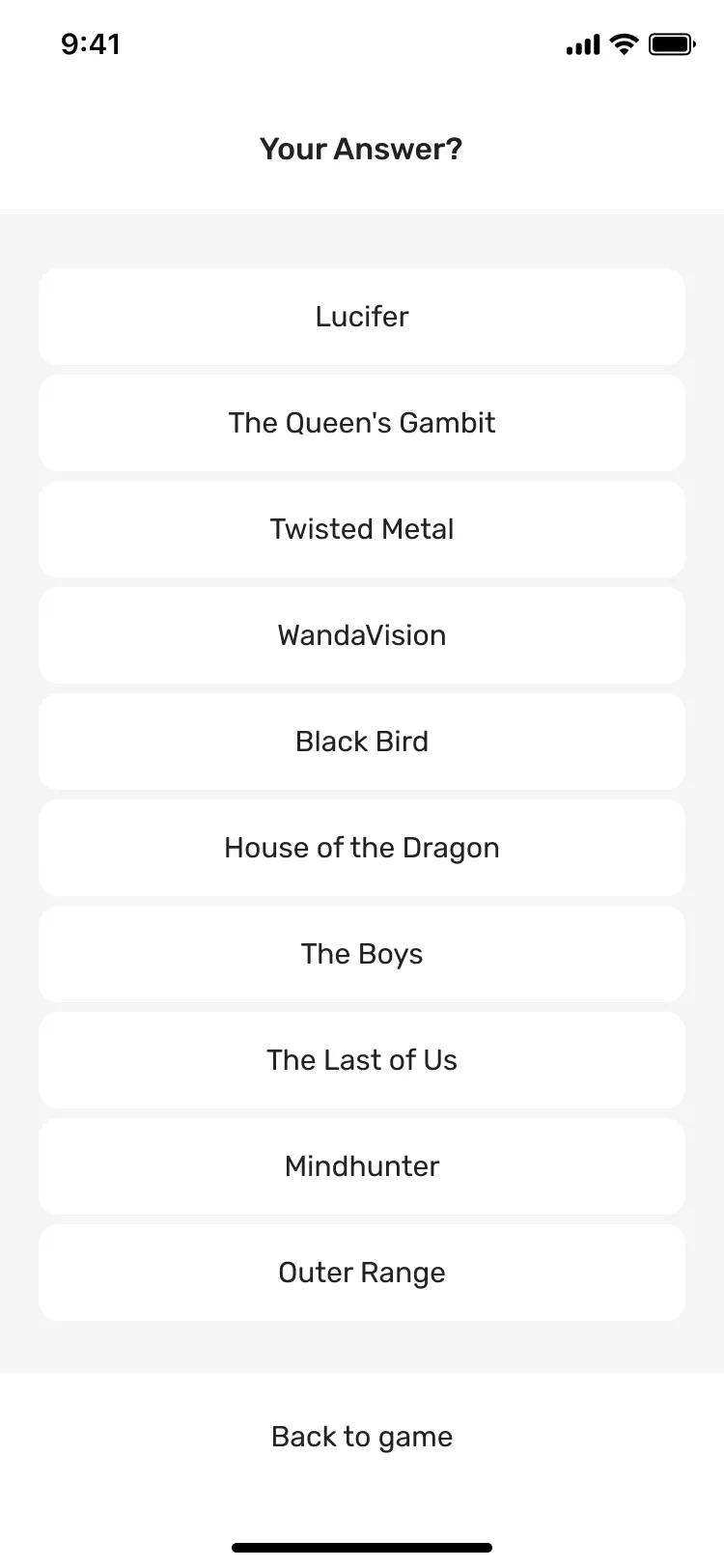
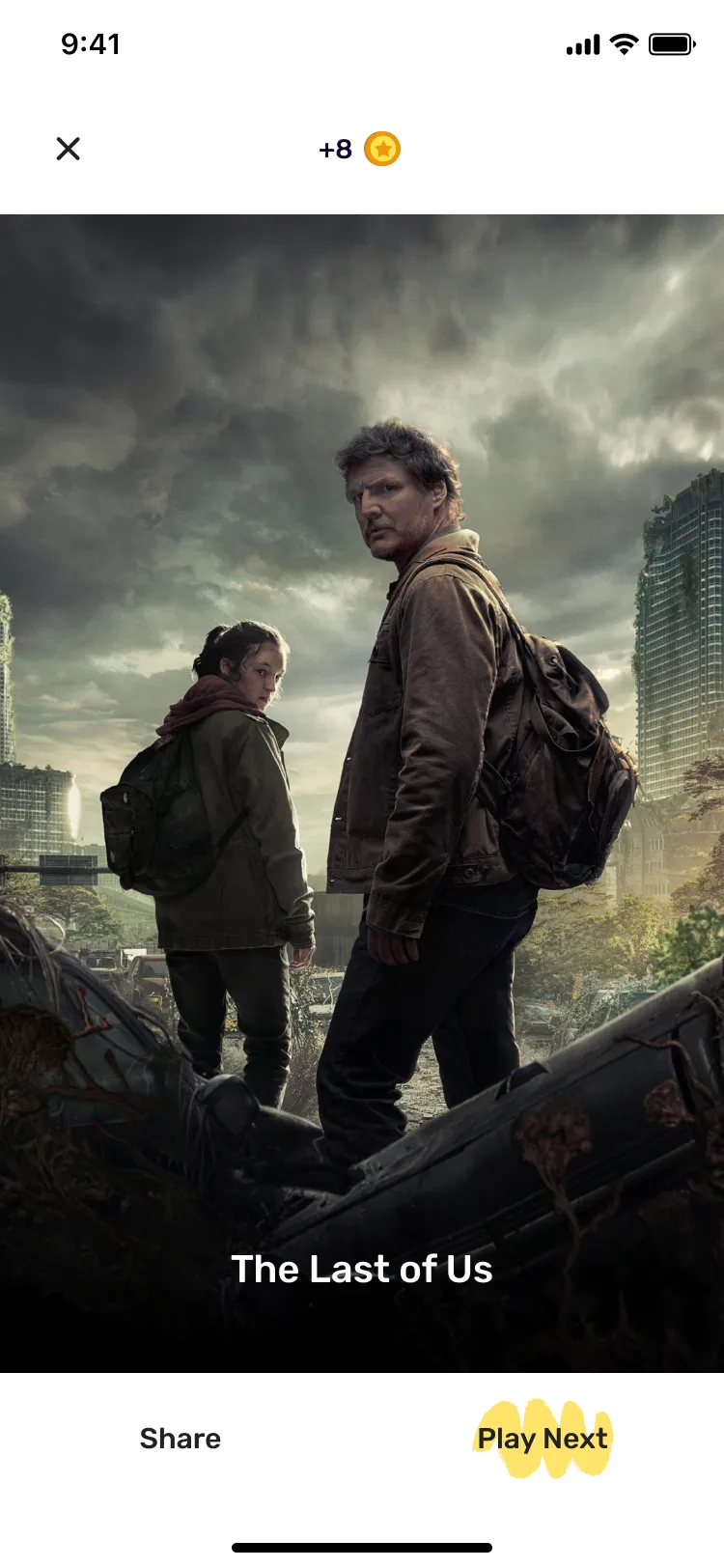
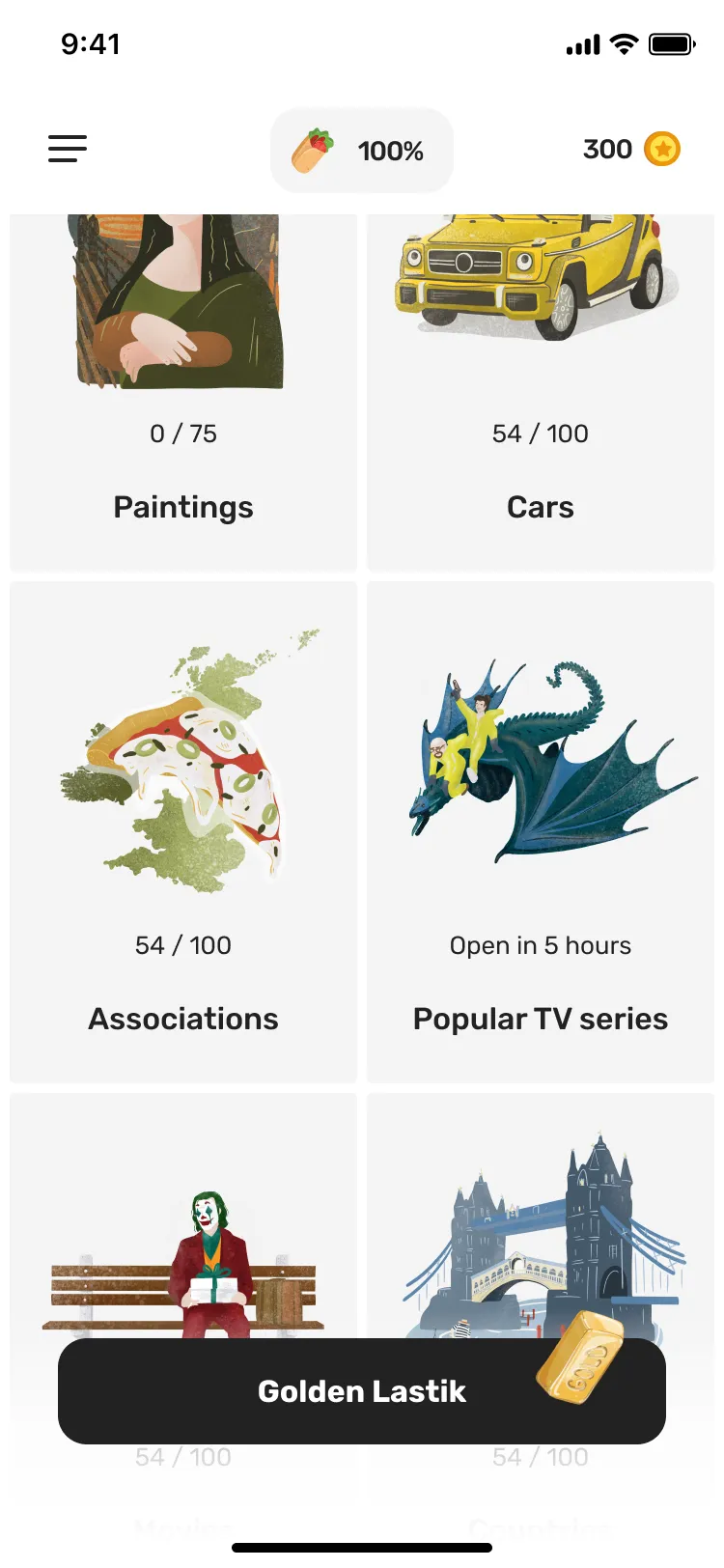
Players could reveal up to half of a picture and choose from ten possible answers. Using less of the eraser earned more coins, giving players a reason to guess before revealing everything.
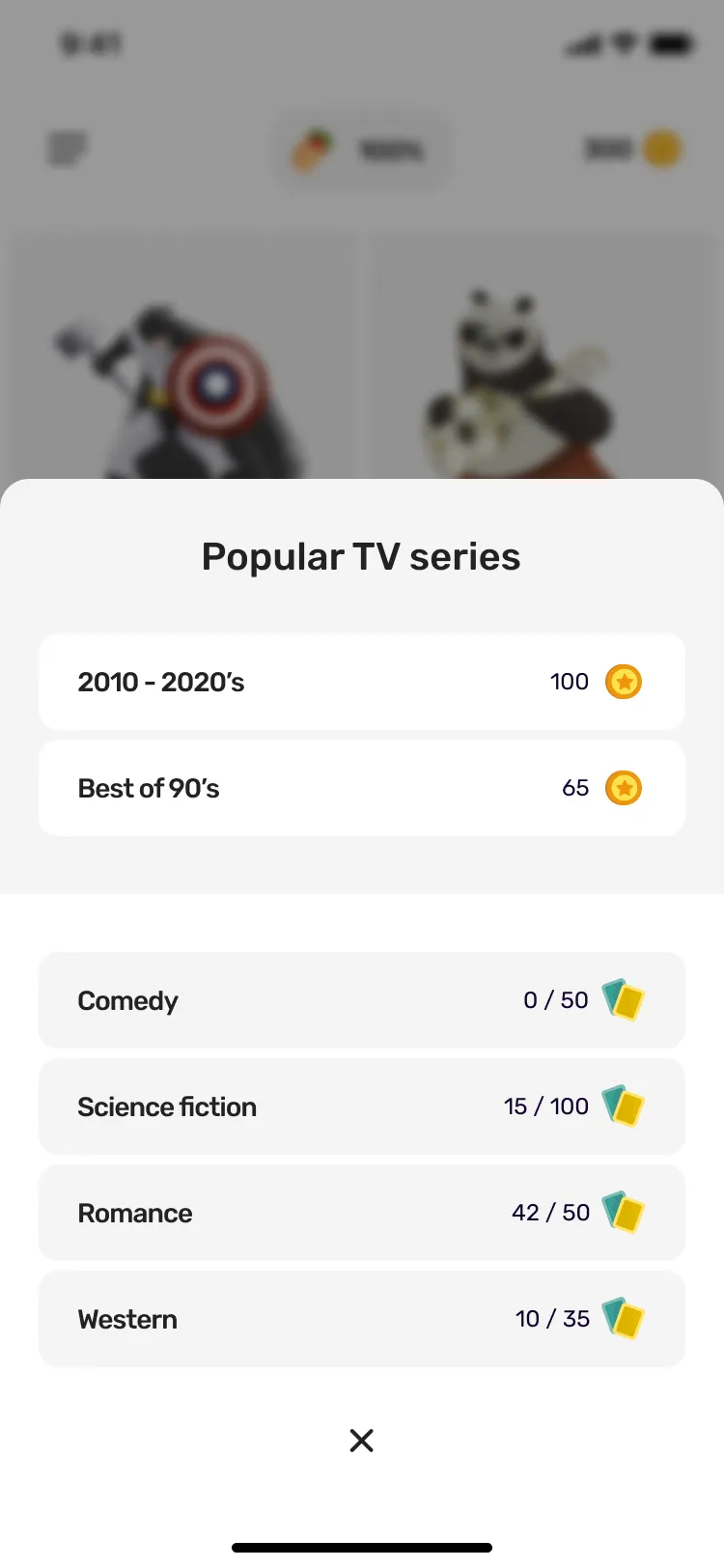
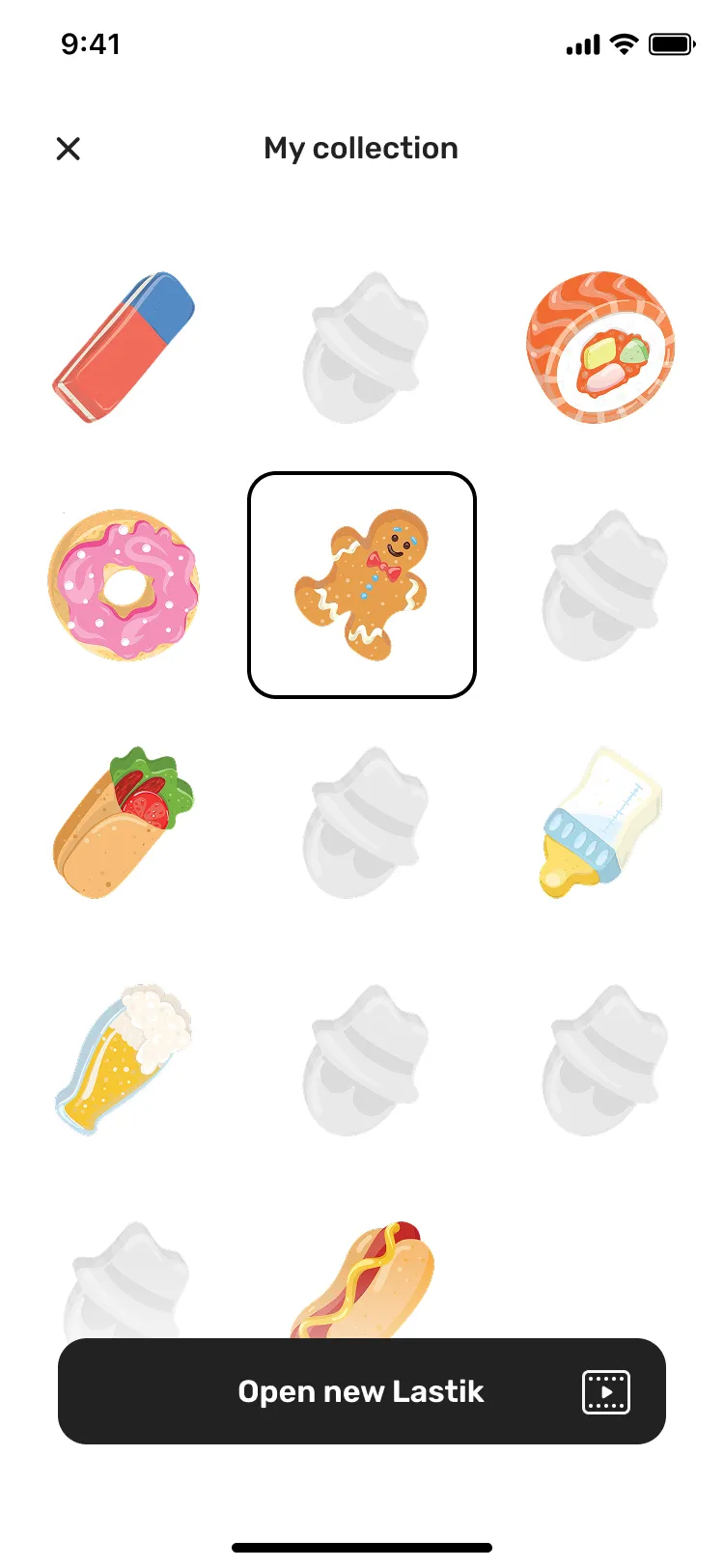
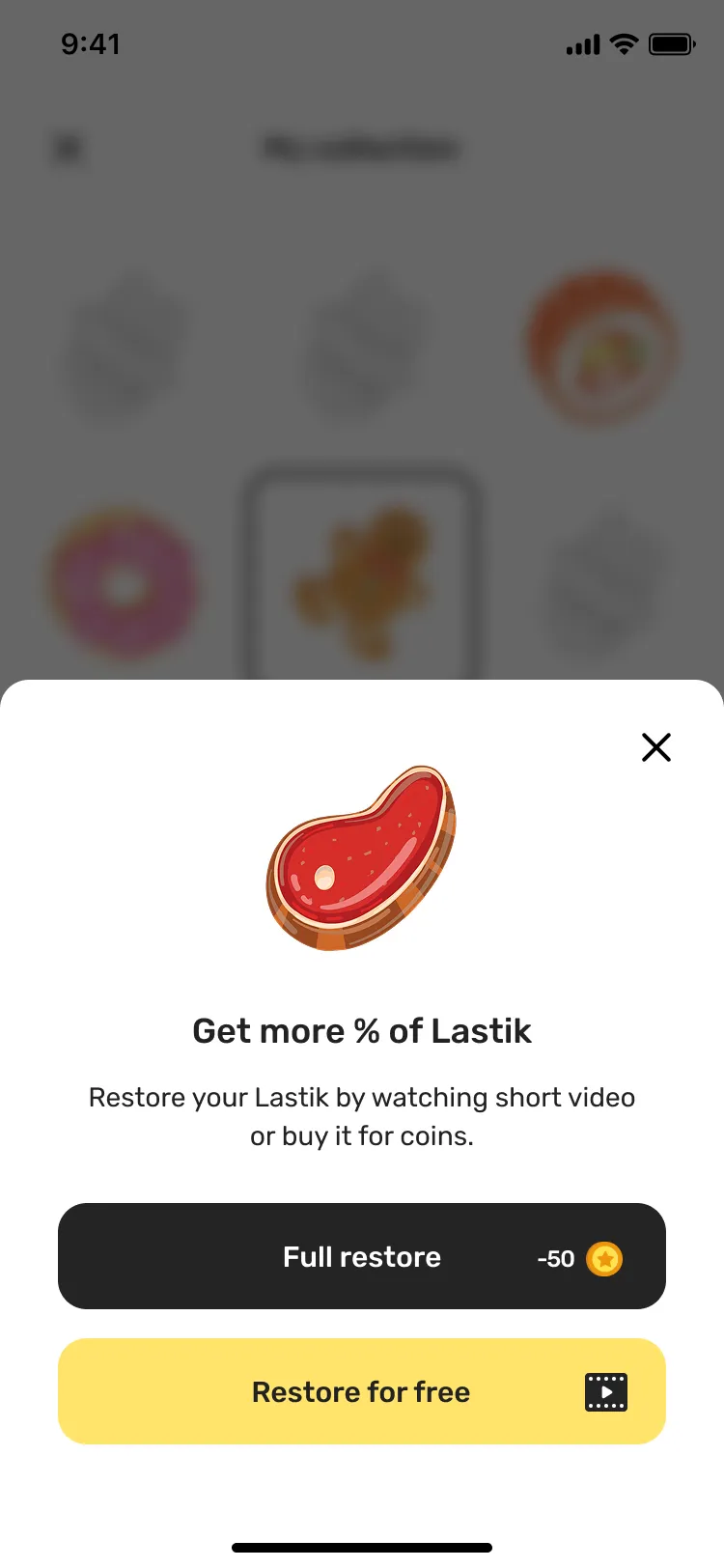
The eraser regenerated over time. Players could spend coins on new categories or restoring it, so they had a choice between accessing more content and continuing to play.
Keeping the pictures in focus
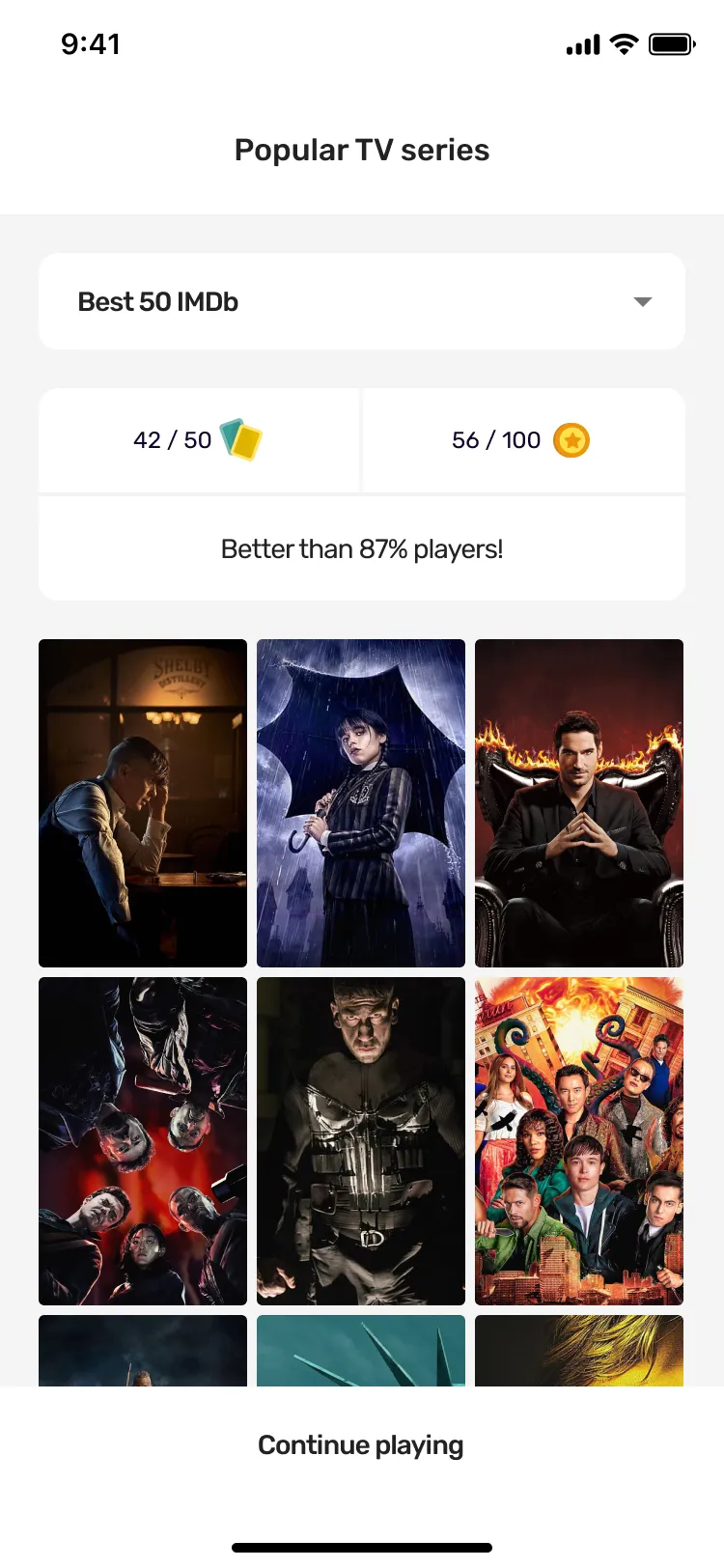
The pictures were the main content, so I kept the interface simple and avoided elements that competed with them.
I worked with a graphic designer on the category covers and erasers. We used feedback from a group of potential players to choose the illustration style. Later, I also generated some covers with AI.
Connecting ads to useful rewards
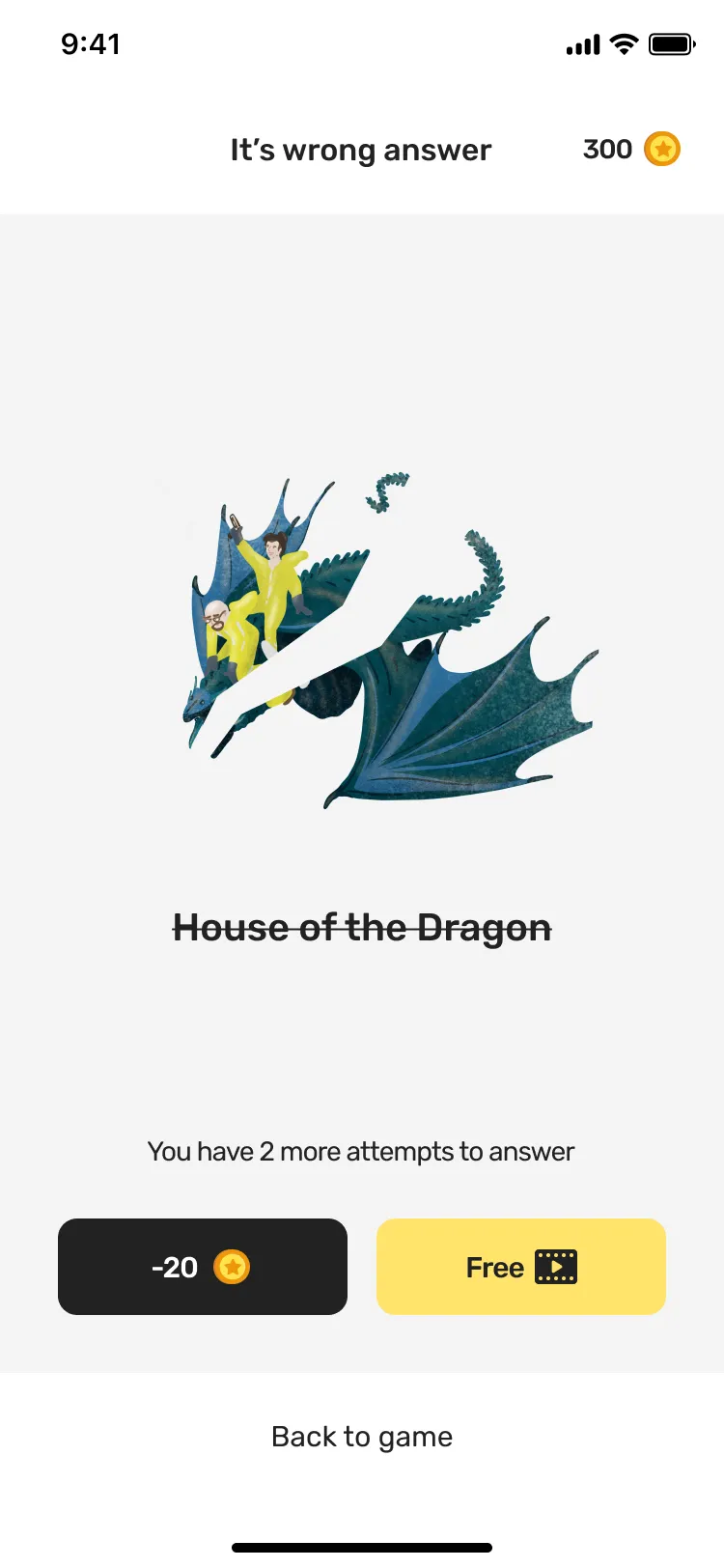
The original monetization model relied on advertising. Players could watch an ad to restore the eraser, unlock content, or get another attempt at an answer.
These rewards connected monetization to the choices players were already making during the game.
Rebuilding the app in 2025
I rebuilt the app with faster, simpler flows and improved the performance of its core functionality.
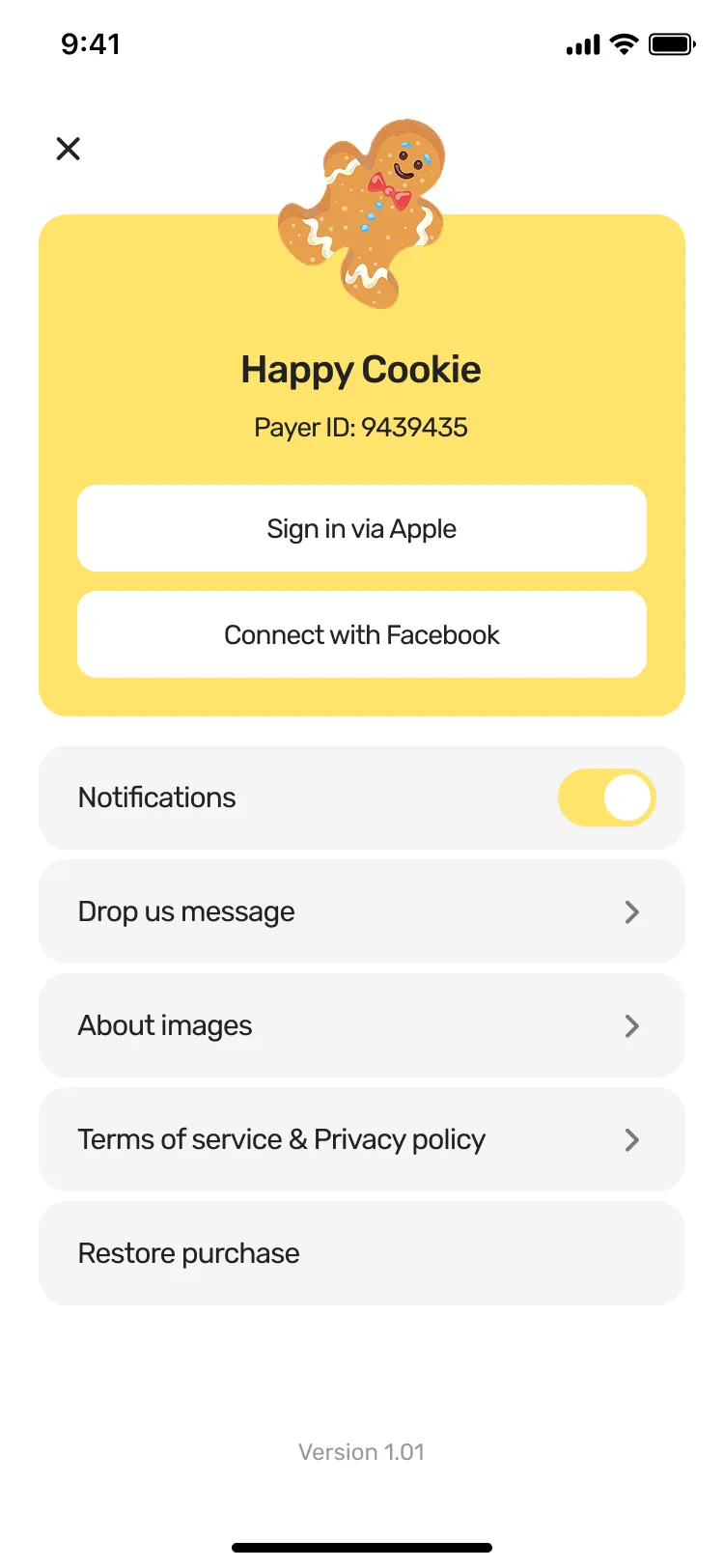
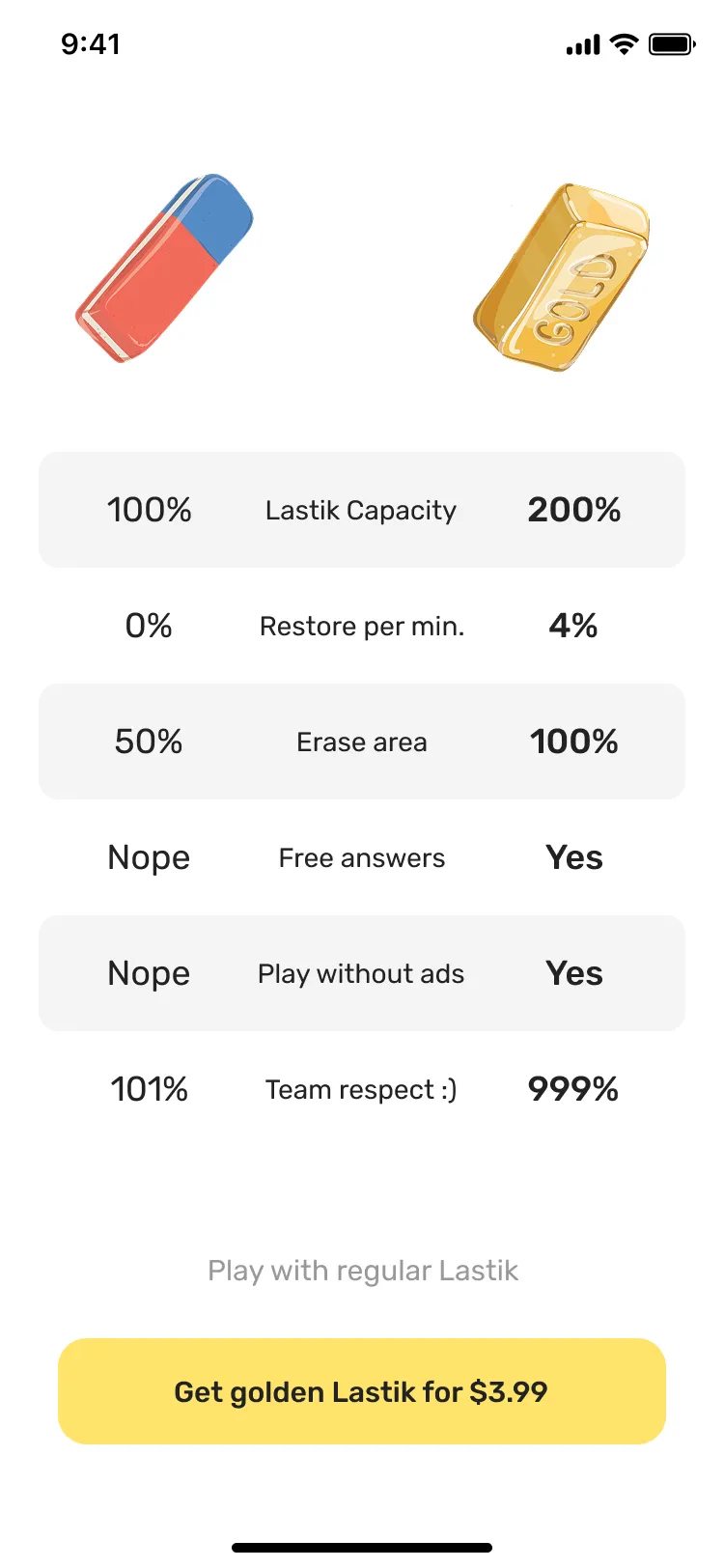
I also created an admin panel to make adding content easier, added in-app purchases, and integrated RevenueCat to manage them.
Outcome
I launched the first version in 2023 and completed the rebuild in 2025, taking responsibility for both the product experience and its implementation.
After the rebuild, I ran a small paid acquisition test that brought in real players. The economics of acquiring users for an ad-supported game did not work for Lastik, so I decided not to scale it.
The project gave me experience with the full product cycle: testing an idea, designing and building it, releasing it, and deciding whether further investment made sense.