Timetick
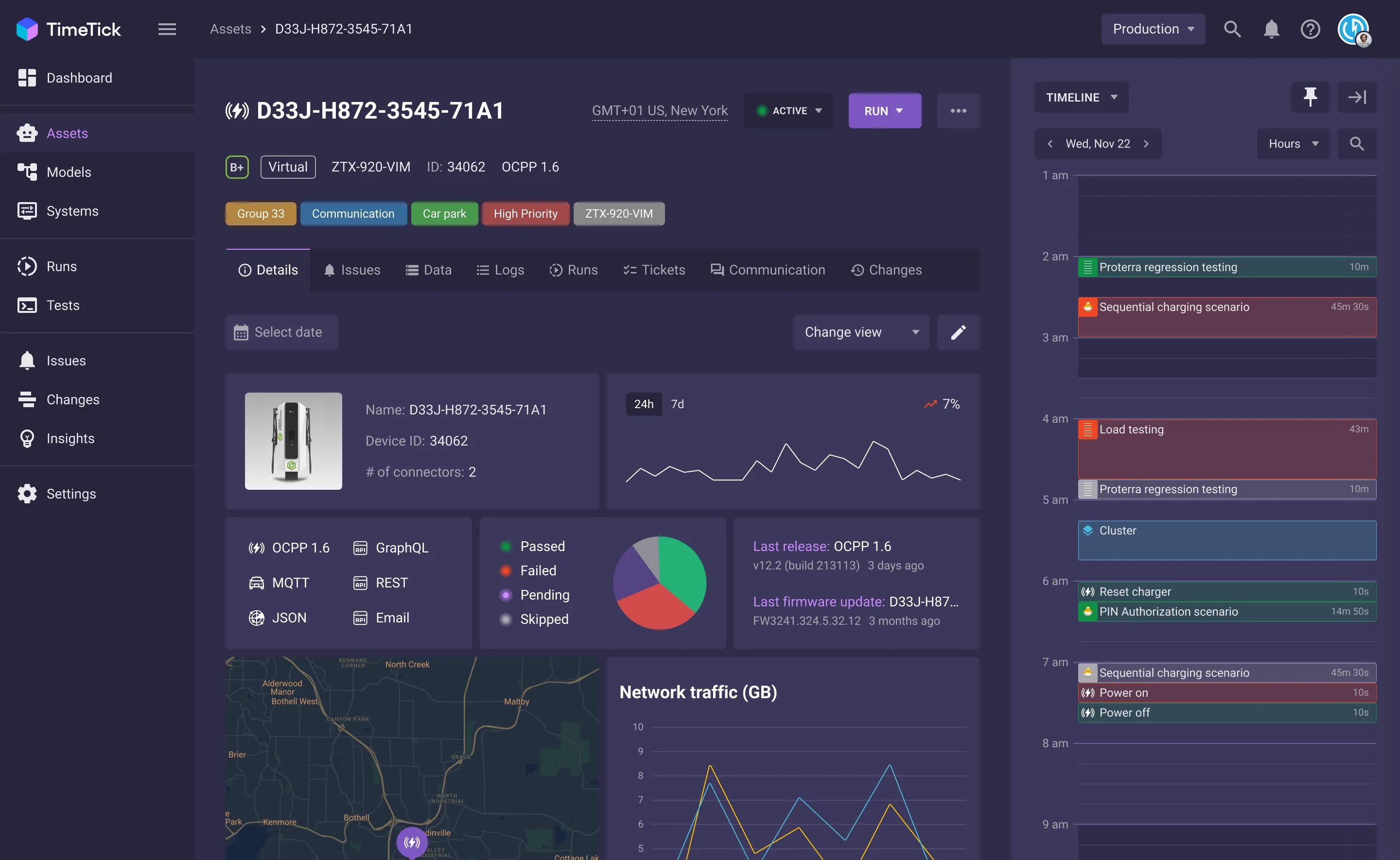
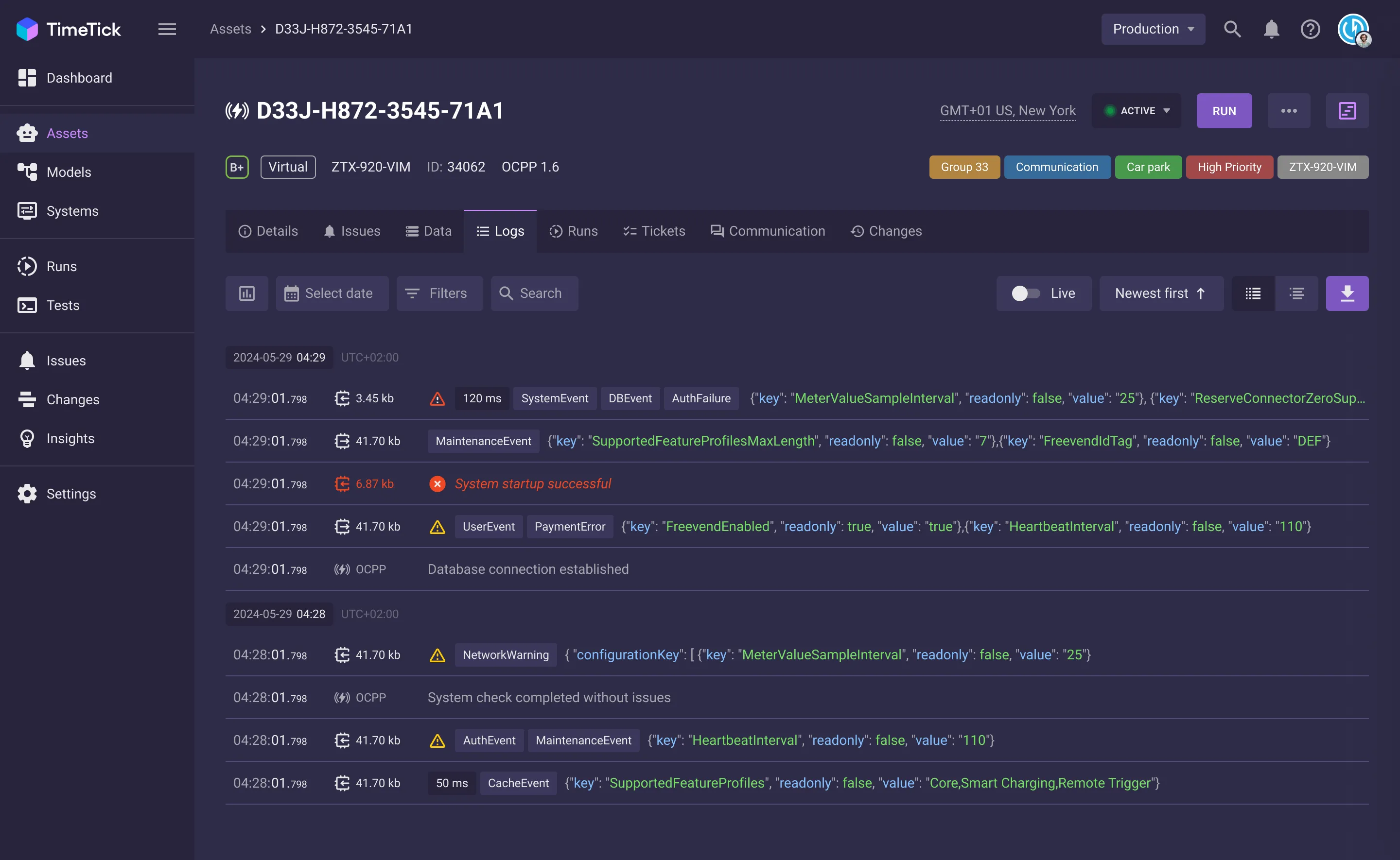
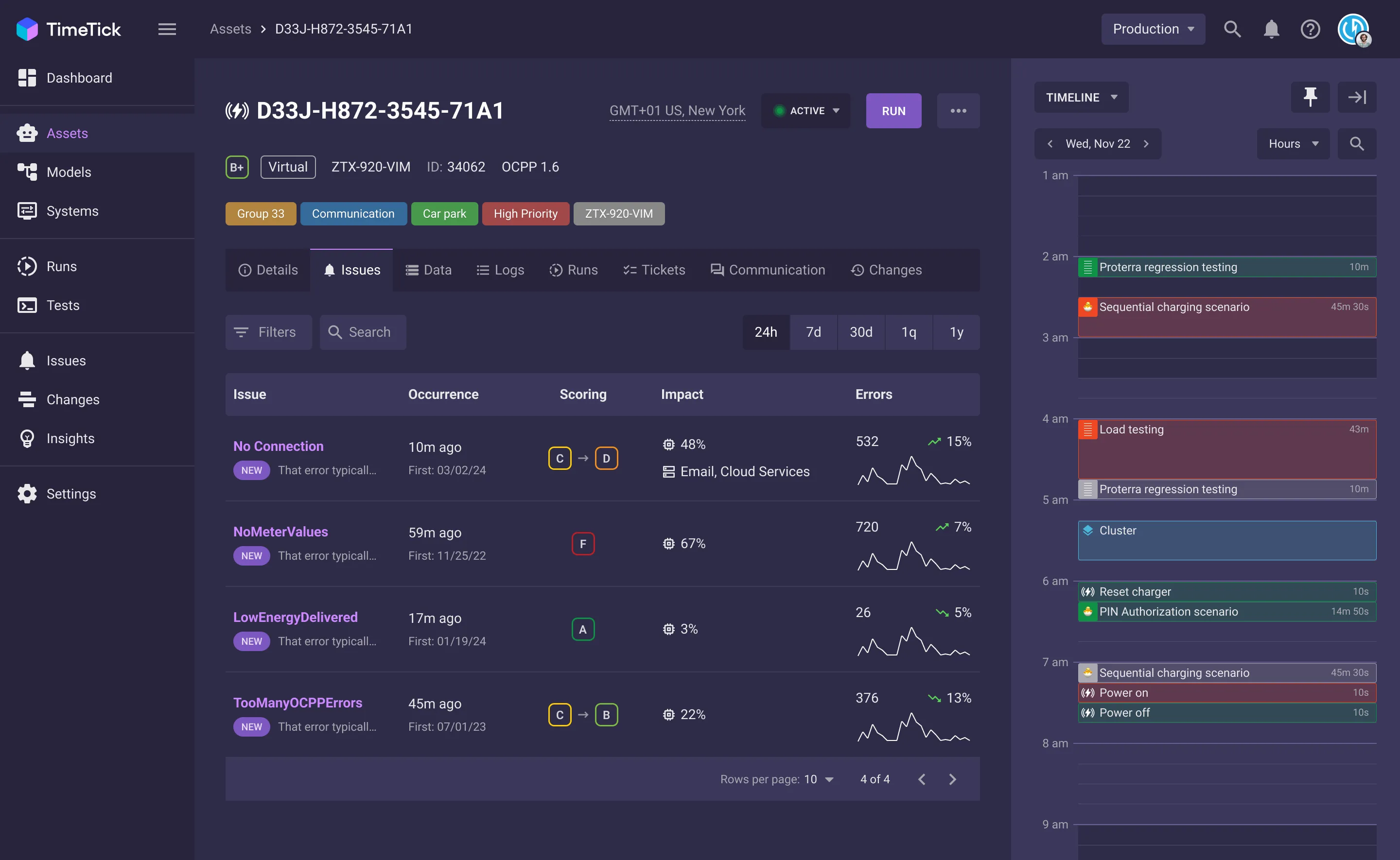
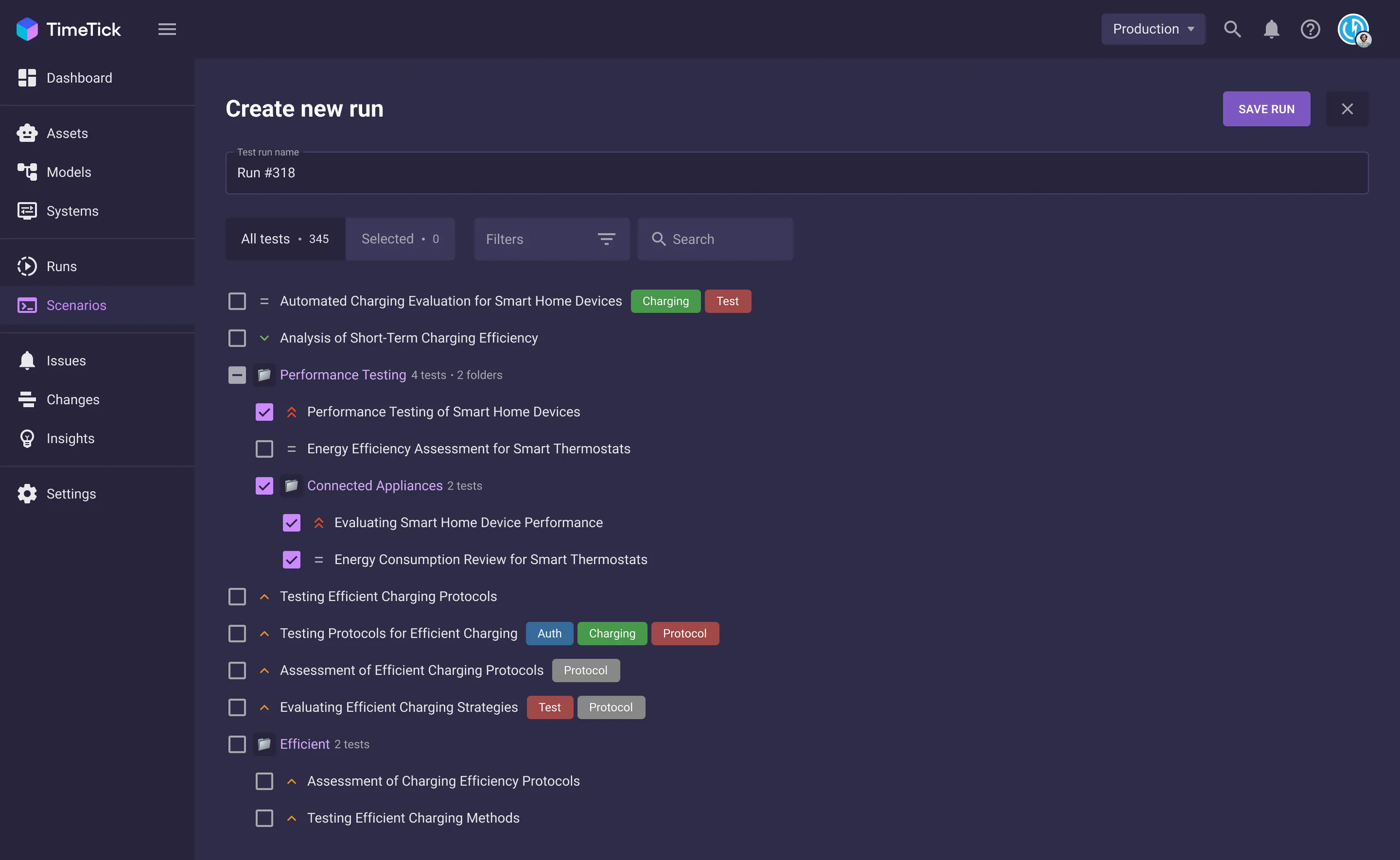
Timetick is a platform for testing and monitoring IoT software, including EV charging stations. QA engineers and testers can connect real devices or use simulators, run automated tests, trigger actions manually, and check the results in one place. The platform supports testing both sides of the connection: real devices against a virtual server, and backend software against simulated devices.
- Years
- 2023 — 2025
- Role
- Senior Product Designer
- Scope
- UX architecture, UI design, Prototyping, Design system
Challenge
Testing connected devices often involves manual checks, separate tools, and setting up a test environment. Timetick brought these activities together so teams could test device behaviour and find problems before deployment.
The product was still taking shape when I joined, and development was already underway. Requirements and logic could change every few days. I needed to turn the team’s ideas into clear workflows while keeping the interface consistent as the product grew.
My role
I was the only designer on the project and designed the entire platform interface. My work covered UX architecture, UI design, interactive prototypes, and the design system.
I worked directly with the CEO and engineers to understand requirements, discuss solutions, and prepare designs for development. I also spoke with the testers who would use the platform to understand their problems and how they handled them.
Approach
The CEO provided the main product direction. Conversations with testers helped us understand their daily work, while reviewing similar services gave me references for handling unfamiliar tasks and interactions.
We worked through the product section by section. I prepared designs or prototypes for a workflow, then reviewed them with the CEO and engineers. We discussed the logic, technical constraints, and changes needed before I updated the design.
These regular discussions helped us resolve open questions and adapt the design as requirements changed.
Key decisions
Building on the team’s existing framework
The developers were already using MUI when I joined, so I used it as the foundation for the interface. I built on its components, spacing, and sizing, and added custom elements where the product needed them.
This kept the design aligned with the framework the engineers were using while allowing us to support more specific workflows.
Connecting the workflows in a prototype
I brought the screens together in a clickable prototype so we could review how the different parts of the platform worked together.
The prototype gave the team a shared reference for discussing flows and making changes. The first version took around five months. I continued developing and updating it as the product grew.
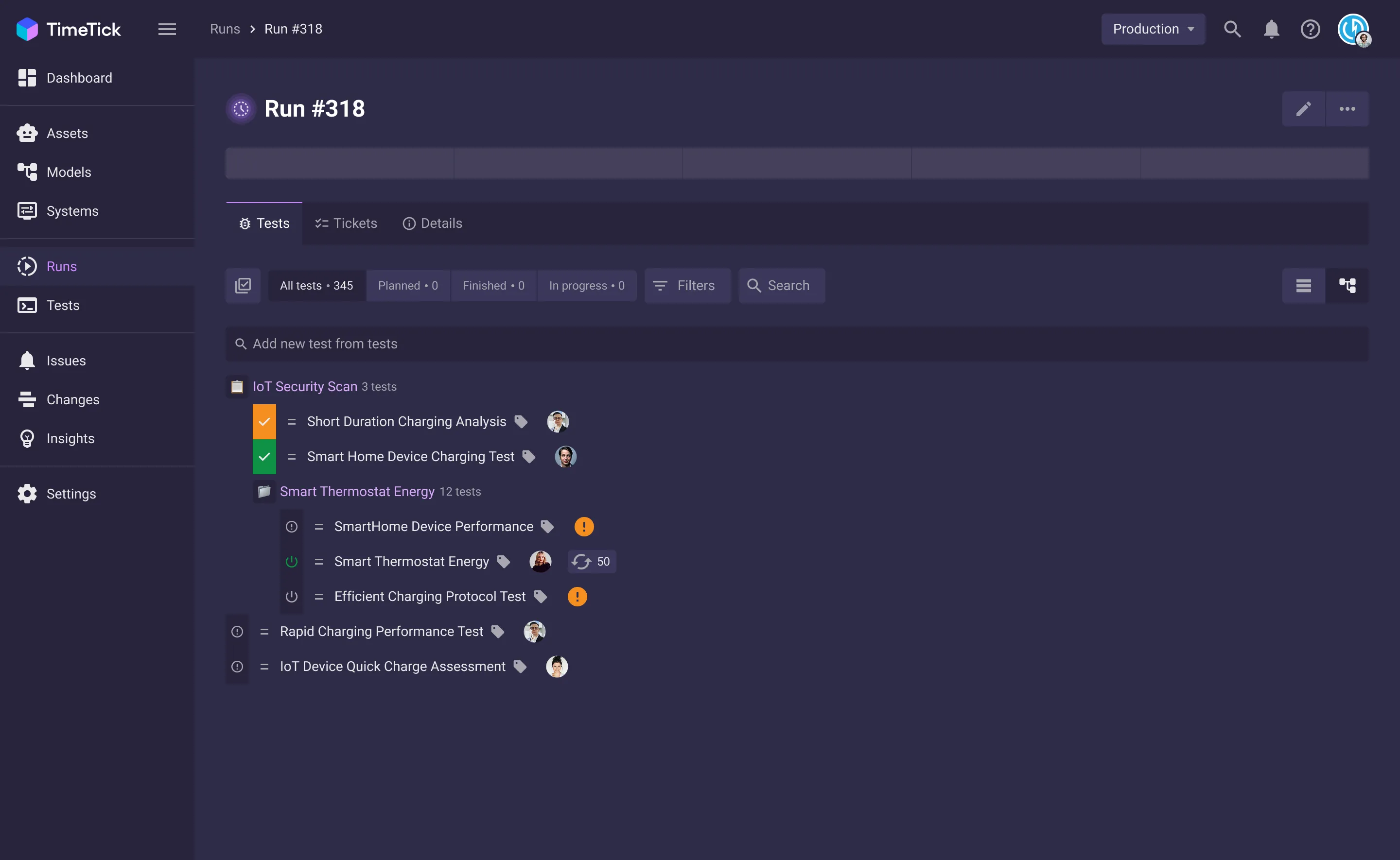
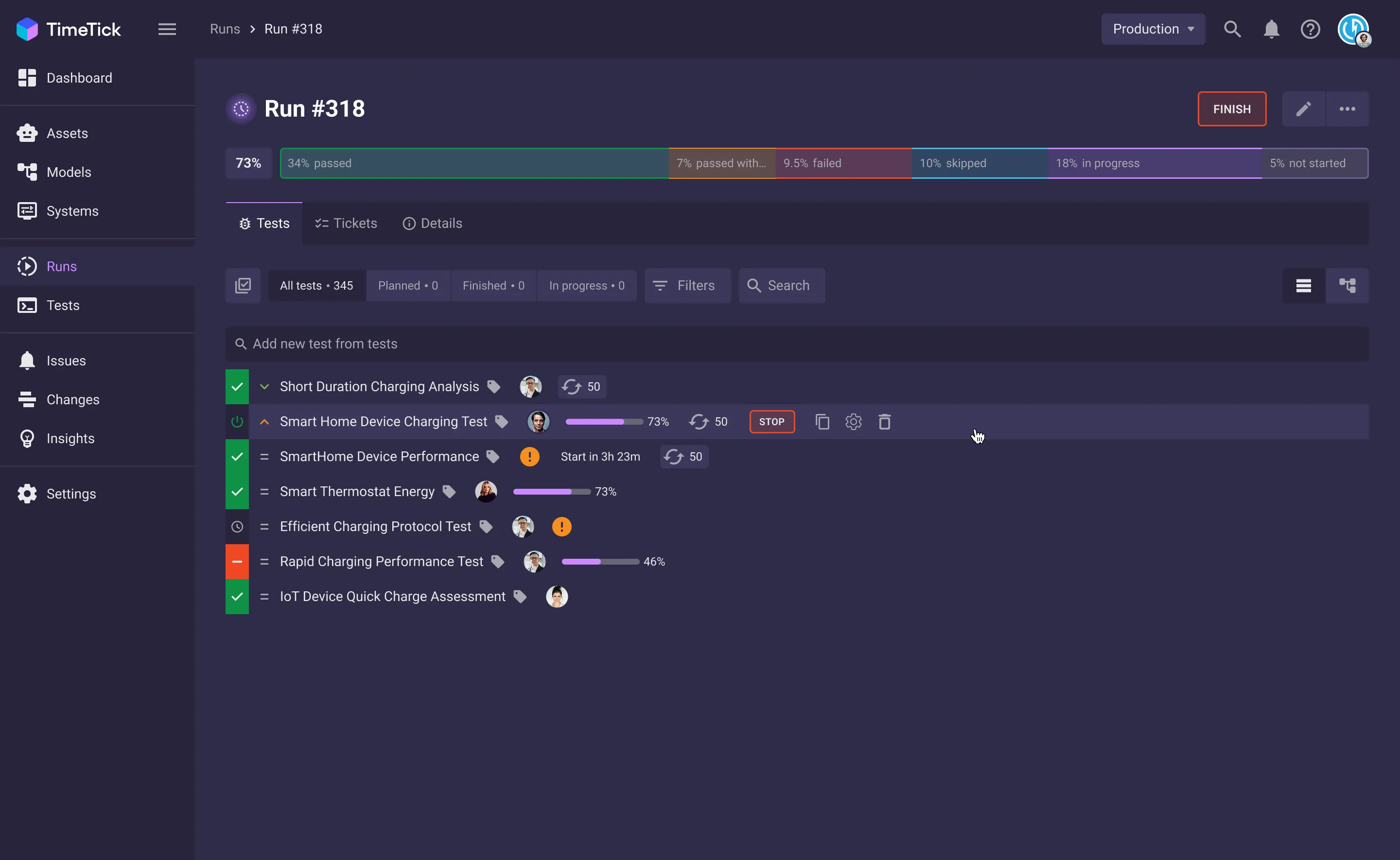
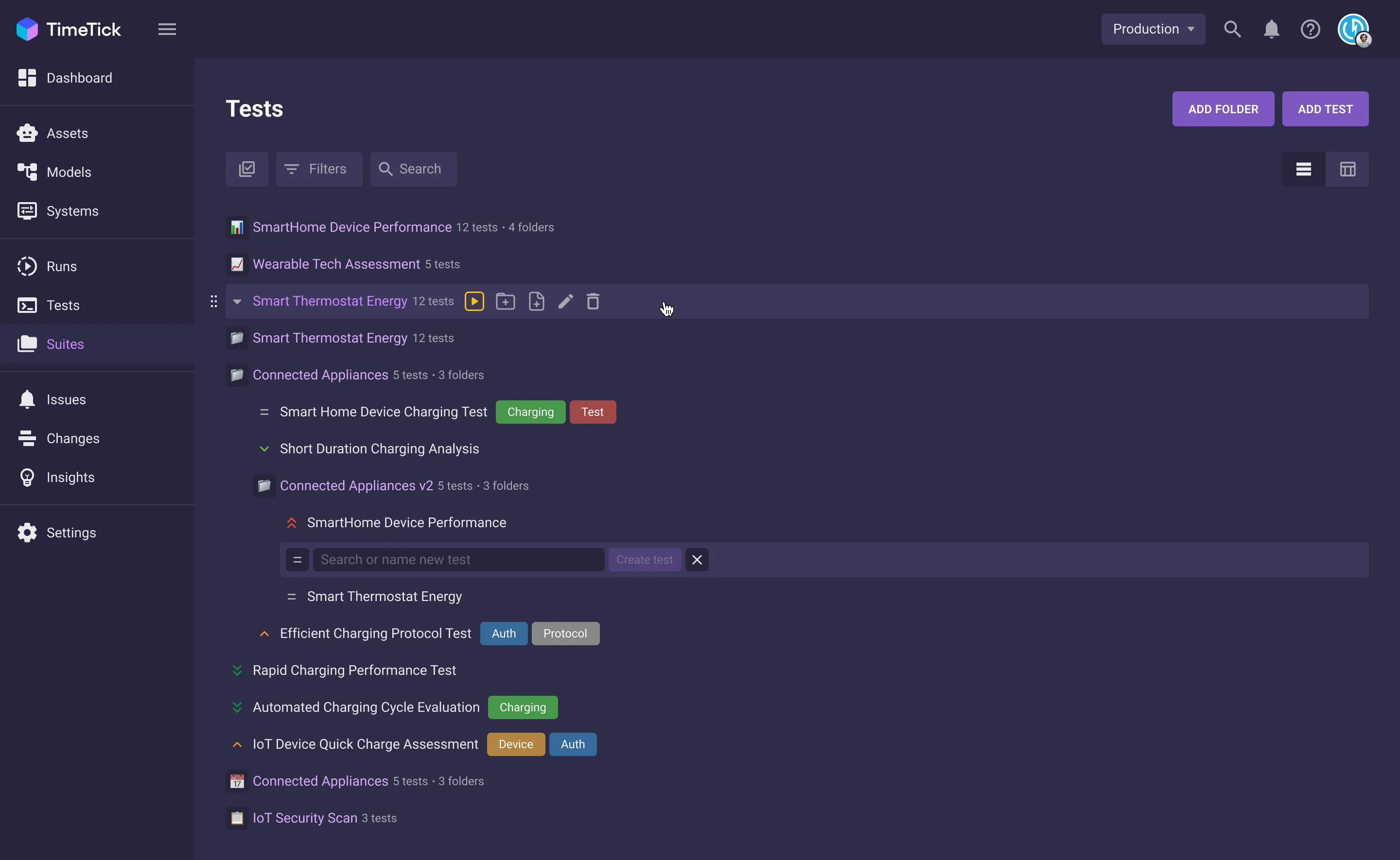
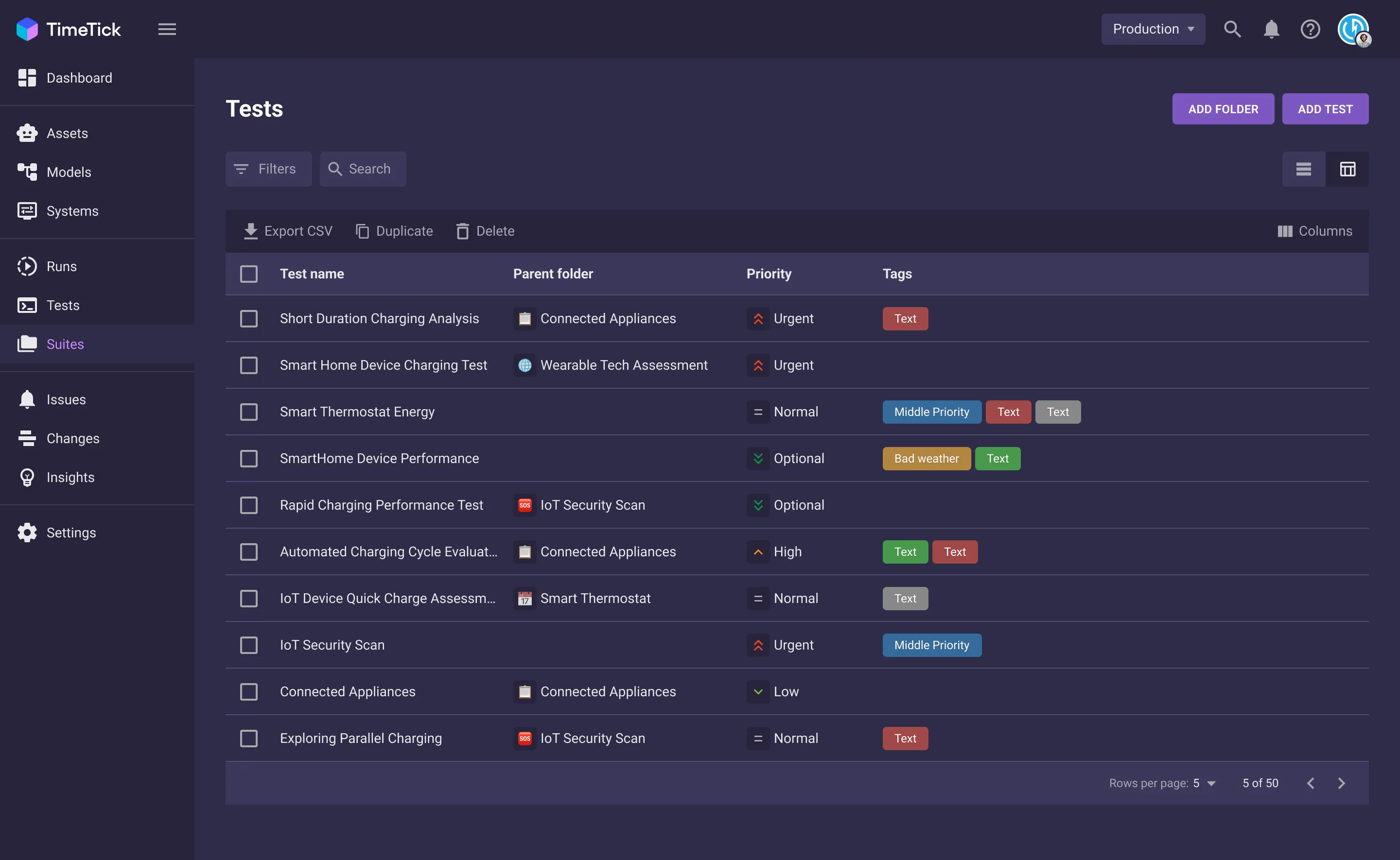
Outcome
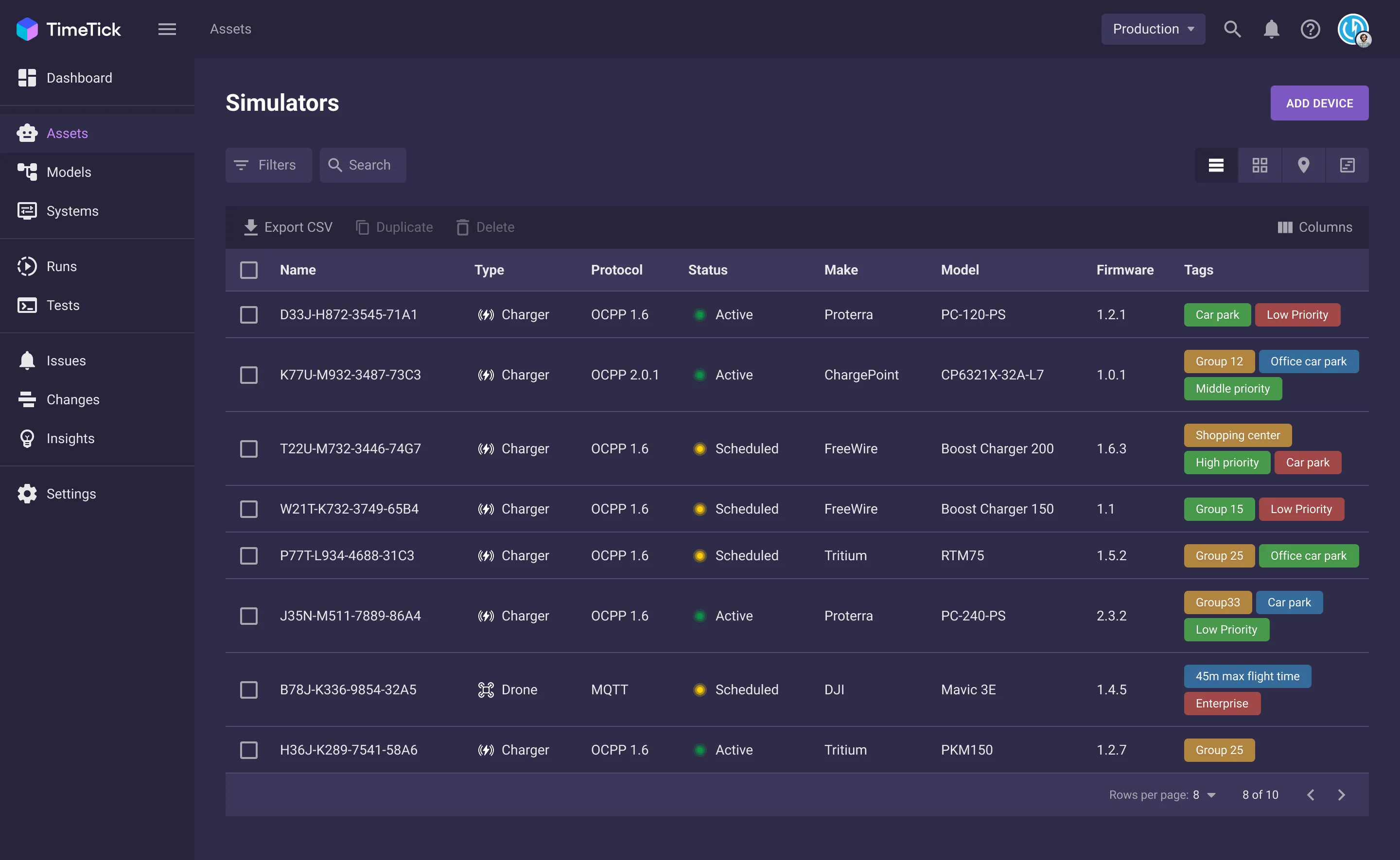
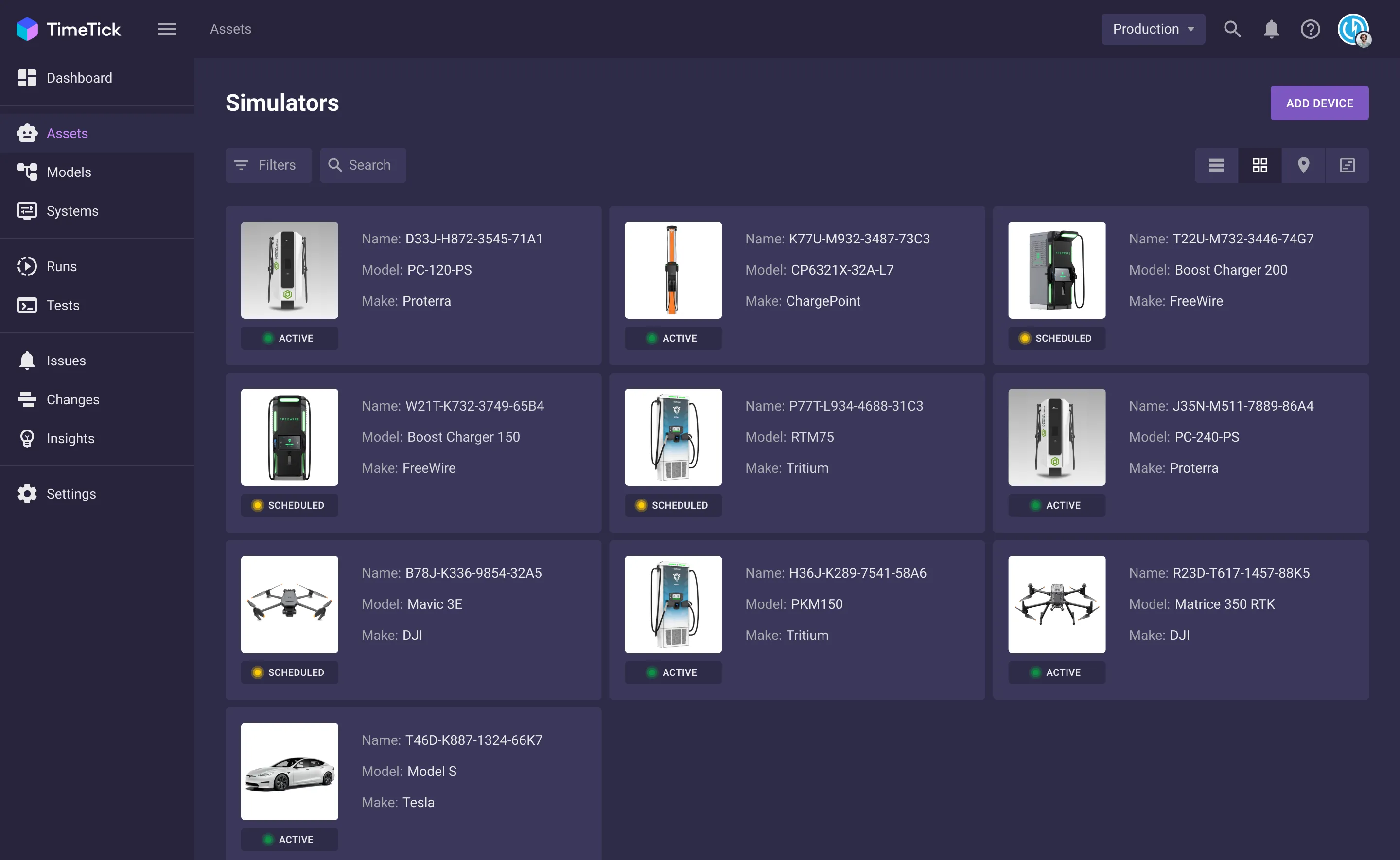
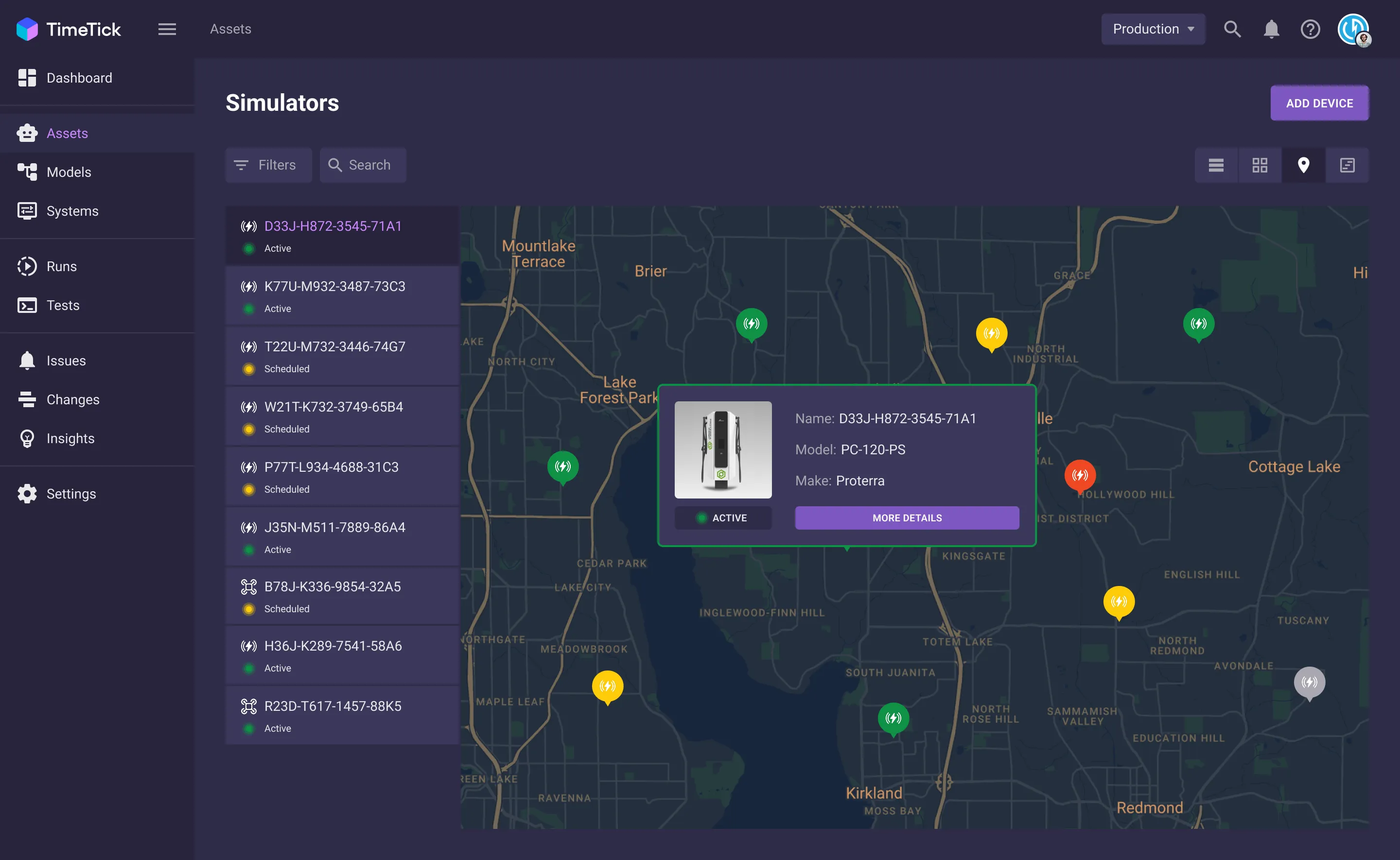
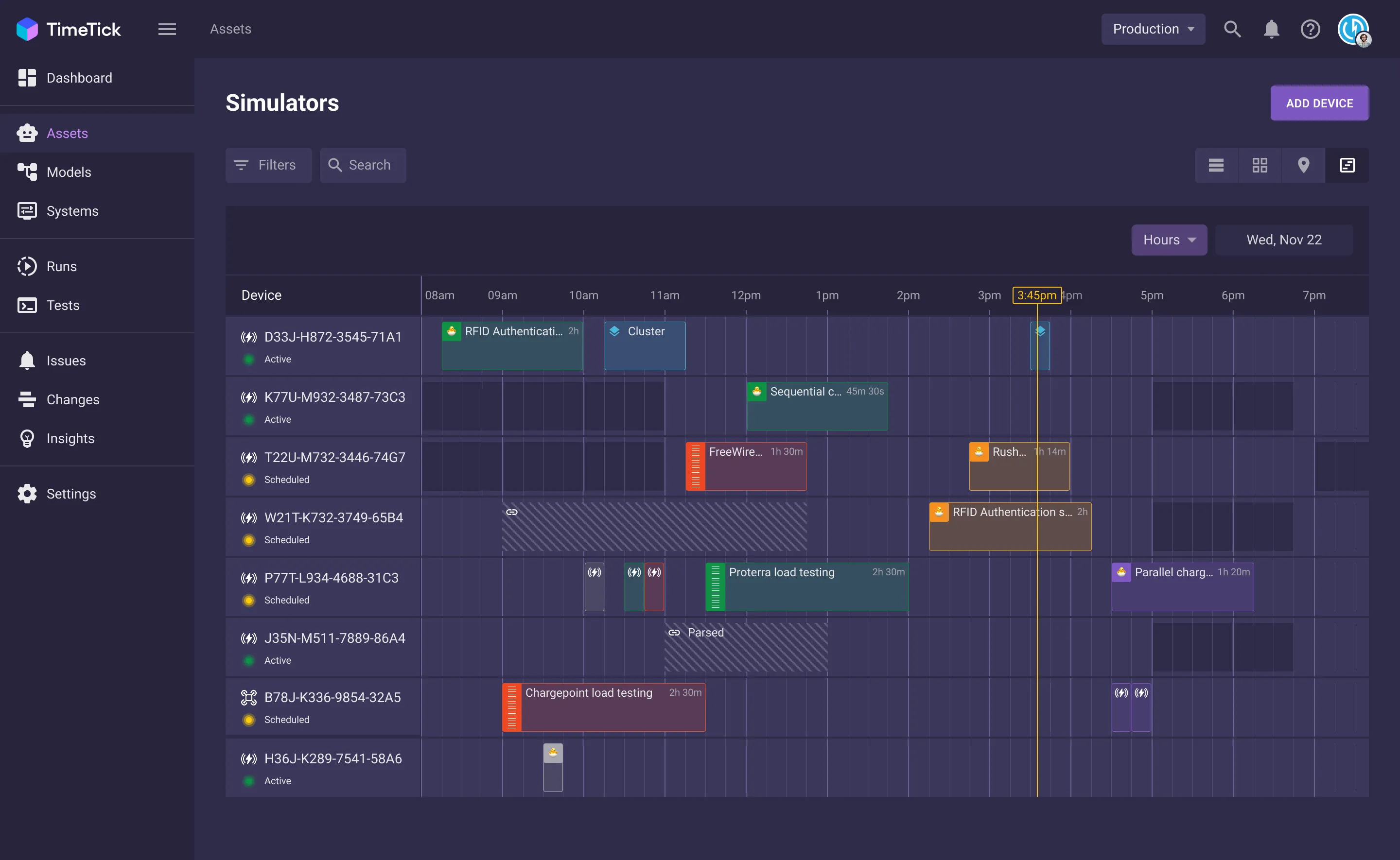
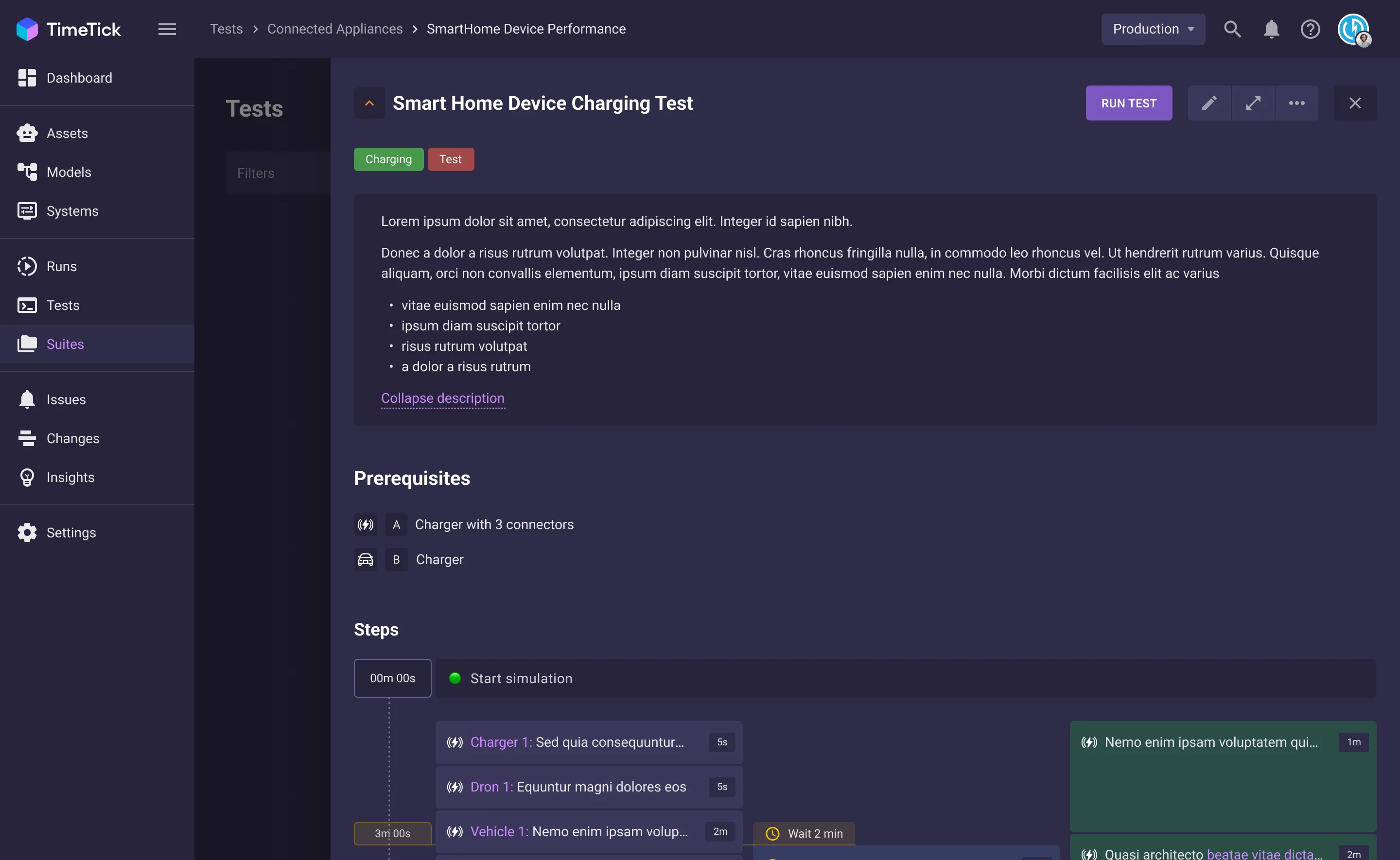
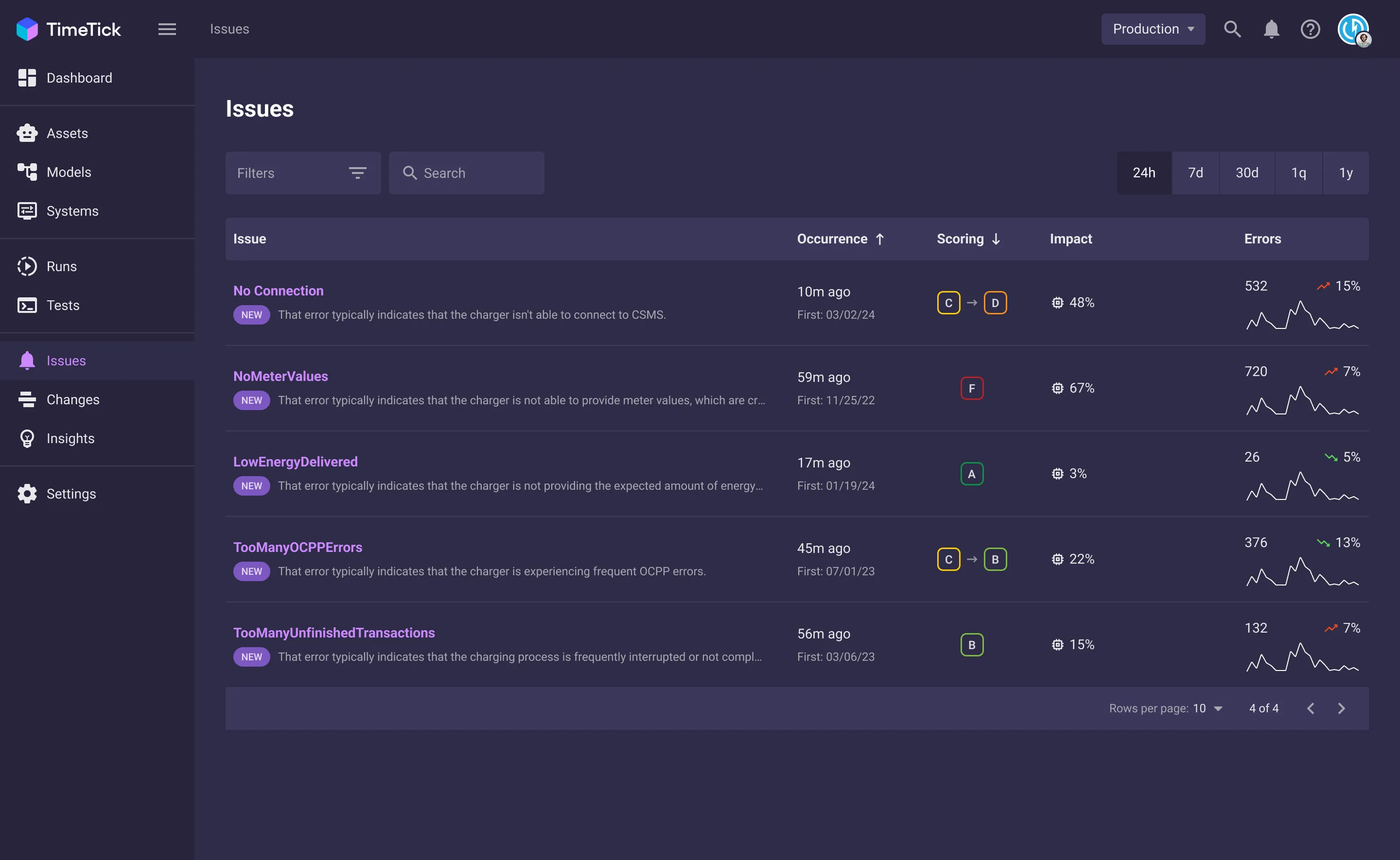
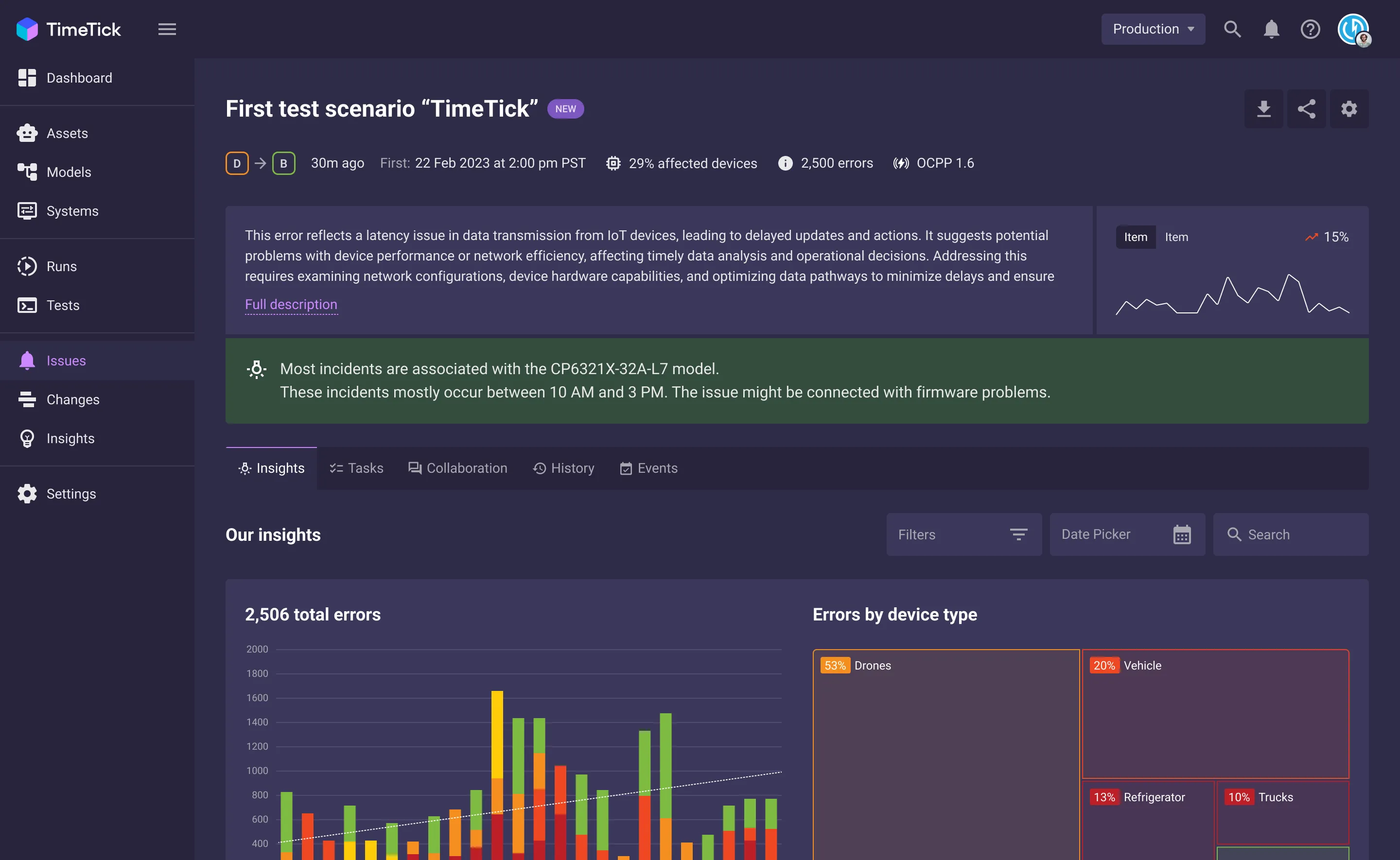
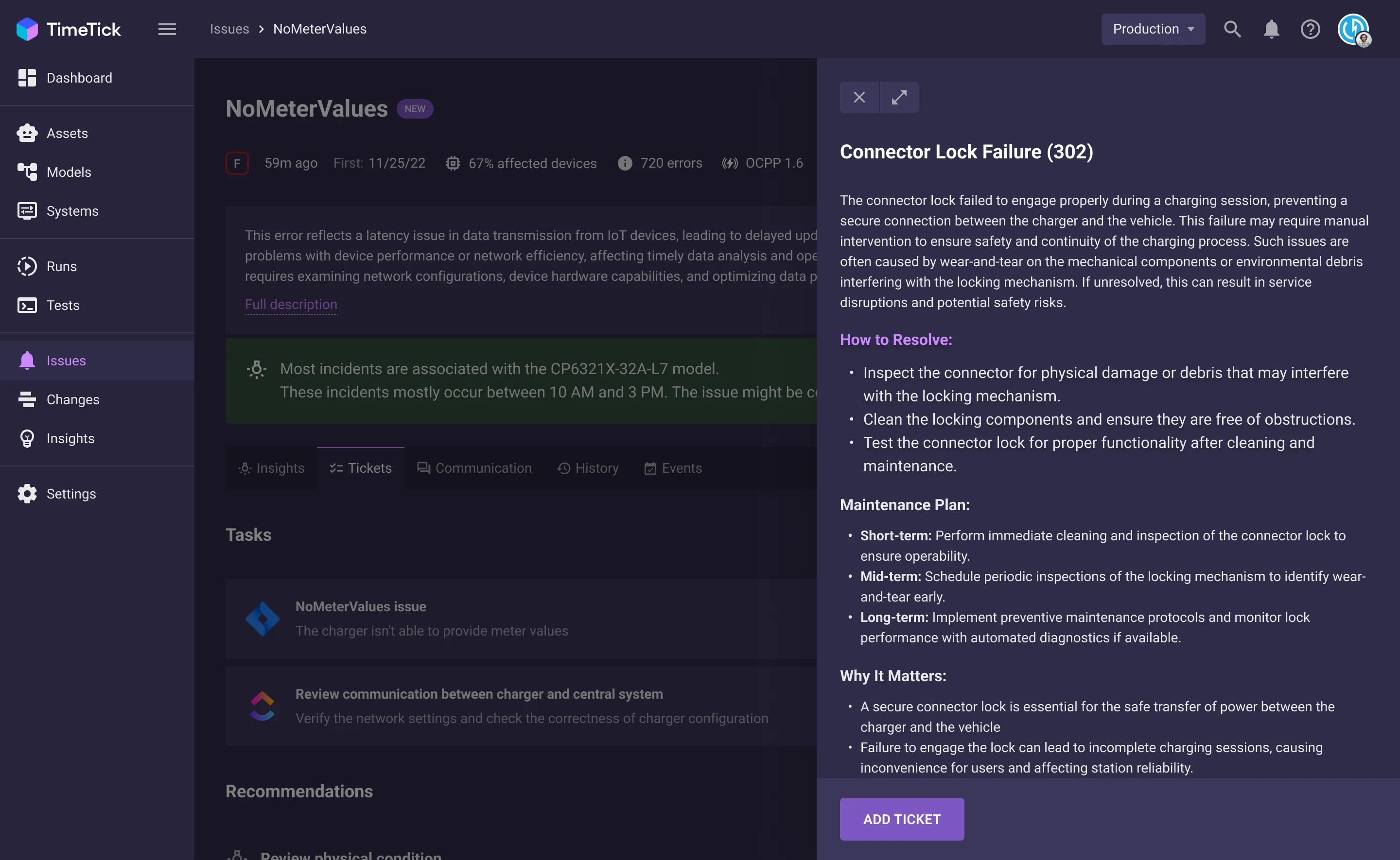
Over the course of the project, I designed more than 150 screens, connected them in an interactive prototype, and built a design system based on MUI with custom components.
The platform launched and gained real clients. One of them, EV charger manufacturer Elinta Charge, used Timetick to test charging scenarios, security, and remote software updates.
In a published customer case study, Elinta Charge’s Senior Testing Engineer reported faster and more thorough testing and described the interface as intuitive. This feedback reflects the work of the whole team, including the interface I designed.